Occupational therapists (ergotherapeuten in Dutch) are health professionals who help people with physical or mental health problems to participate in the things they want and need to do in everyday life. For instance, they help their clients to find suitable assistive devices to perform activities of daily living, like customized cooking utensils, pen/pencil grips, or hand/grab rails to get out of bed.
In the past, occupational therapists were trained to make such assistive devices themselves. Nowadays, however, most assistive devices are selected from manufacturers’ catalogs. Unfortunately, such off-the-shelf assistive devices are very generic, and options to 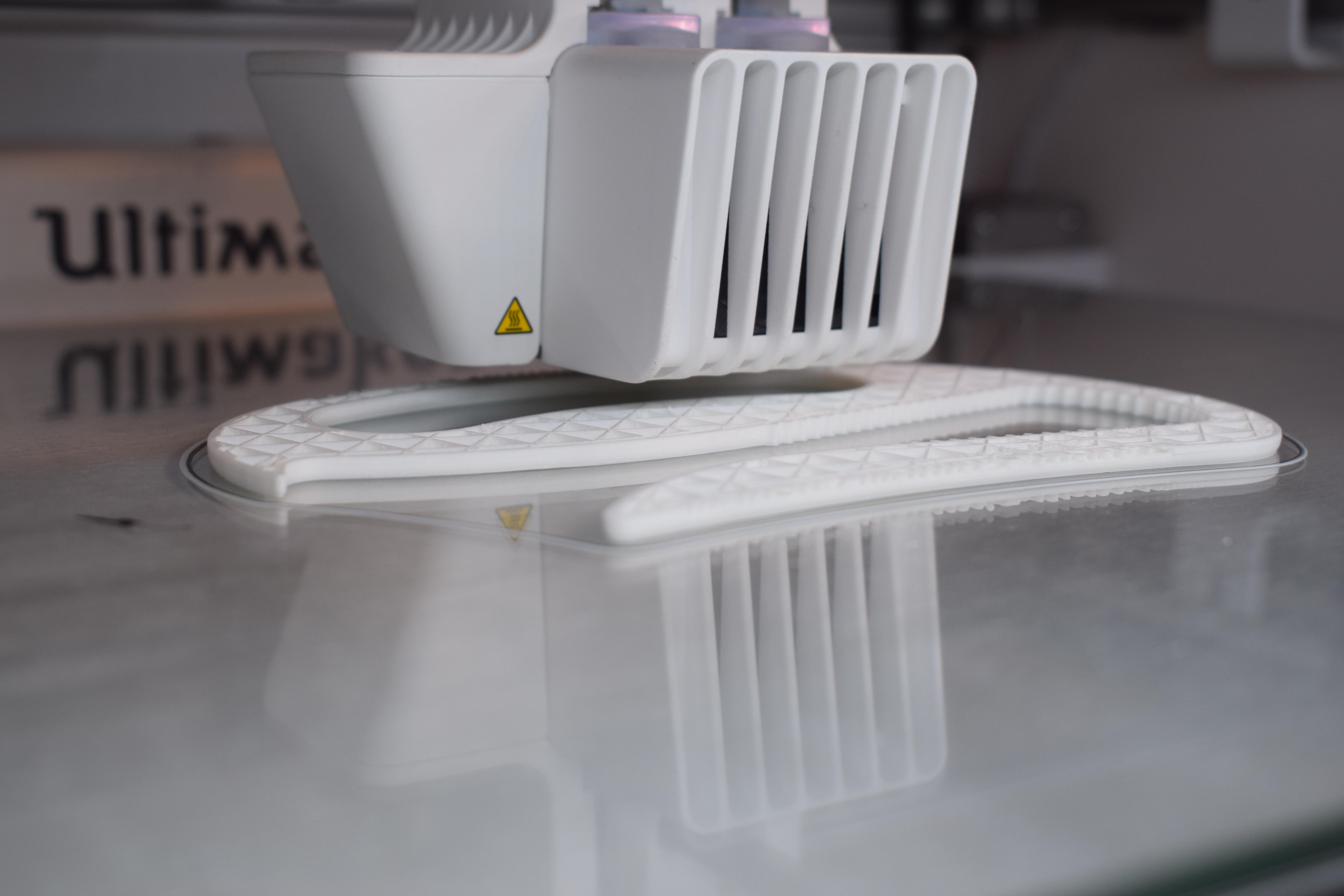 customize these devices to an individual client are limited. This is where 3D printing comes in. What if occupational therapists would have a 3D printer at their disposal? This may allow them to make their own assistive devices again, and to realise tailor-made solutions for their clients.
This was the starting point for the master’s thesis research of NMD student Tereza LouÄová. Her aim was to study occupational therapists’ willingness to adopt 3D printing technology. More specifically, she studied how hands-on experience with an important aspect of 3D printing, 3D modelling, affects occupational therapists’ attitudes.
In her thesis project, Tereza was very lucky to get in touch with a Kaatsheuvel-based company CADdesign CAD trainingen. The CEO of this company, Harold Weistra, is an avid proponent of the pay-it-forward principle. As he was helped by many people in establishing his own company, he was actively looking for societally relevant projects that he could help. He offered to help Tereza by organizing a full-day workshop in 3D modelling to a group of occupational therapists free of charge! This allowed Tereza to assess and compare the therapists’ attitudes towards 3D printing both before and after the workshop. The occupational therapists, in turn, were able to experience hands-on what it is like to design their own 3D printable assistive devices.
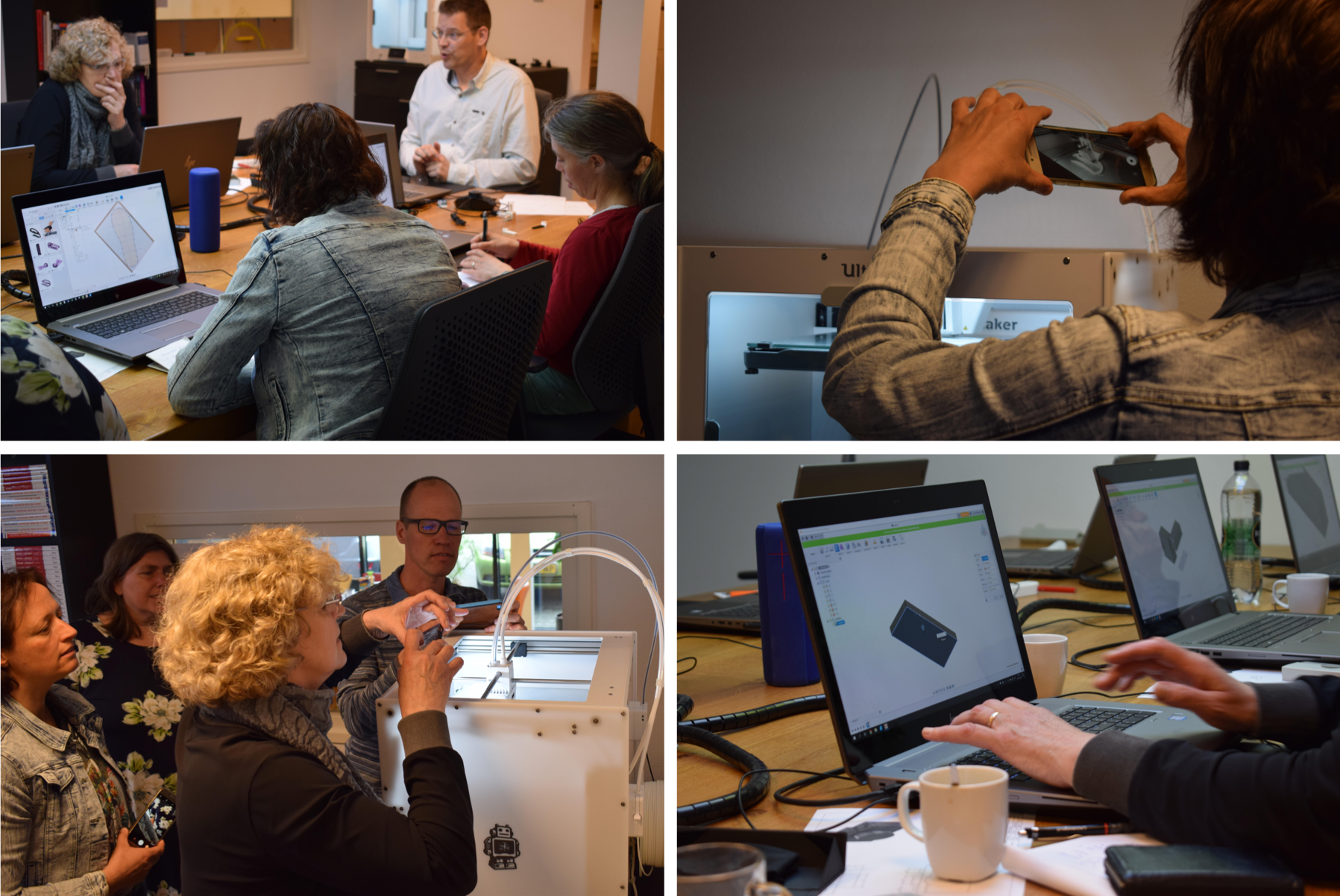
Tereza’s research showed that after participating in the workshop occupational therapists had more positive perceptions of the usefulness of 3D printing, especially due to the possibilities this technology offers for customizing assistive devices. However, hands-on experience with creating 3D models also made occupational therapists aware of the fact that learning to use 3D printing technology requires even more time and effort on their behalf than they initially expected. As such, they developed a preference to set up collaborations with 3D printing experts rather than to engage in 3D printing on their own.
We are very grateful for Harold’s offer and think this is a wonderful example of a valuable collaboration between design research and design practice!